A strategic guide for European brands in headwear and accessories
In Europe’s fashion market, brands are no longer competing only on design — they are competing on foresight, execution, and reliability.
As the industry moves into 2026, the brands that will lead are not those reacting fastest, but those preparing earliest — securing the right materials, aligning the right partners, and building the right product systems long before launch.
For brands operating in headwear, caps, and fashion accessories, early preparation is no longer optional. It is strategic.
Below are the five key areas European fashion brands should be working on now to ensure success in the 2026 season.
1. Define a Clear Headwear Design Direction
Headwear has evolved from a functional product into a brand-defining category.
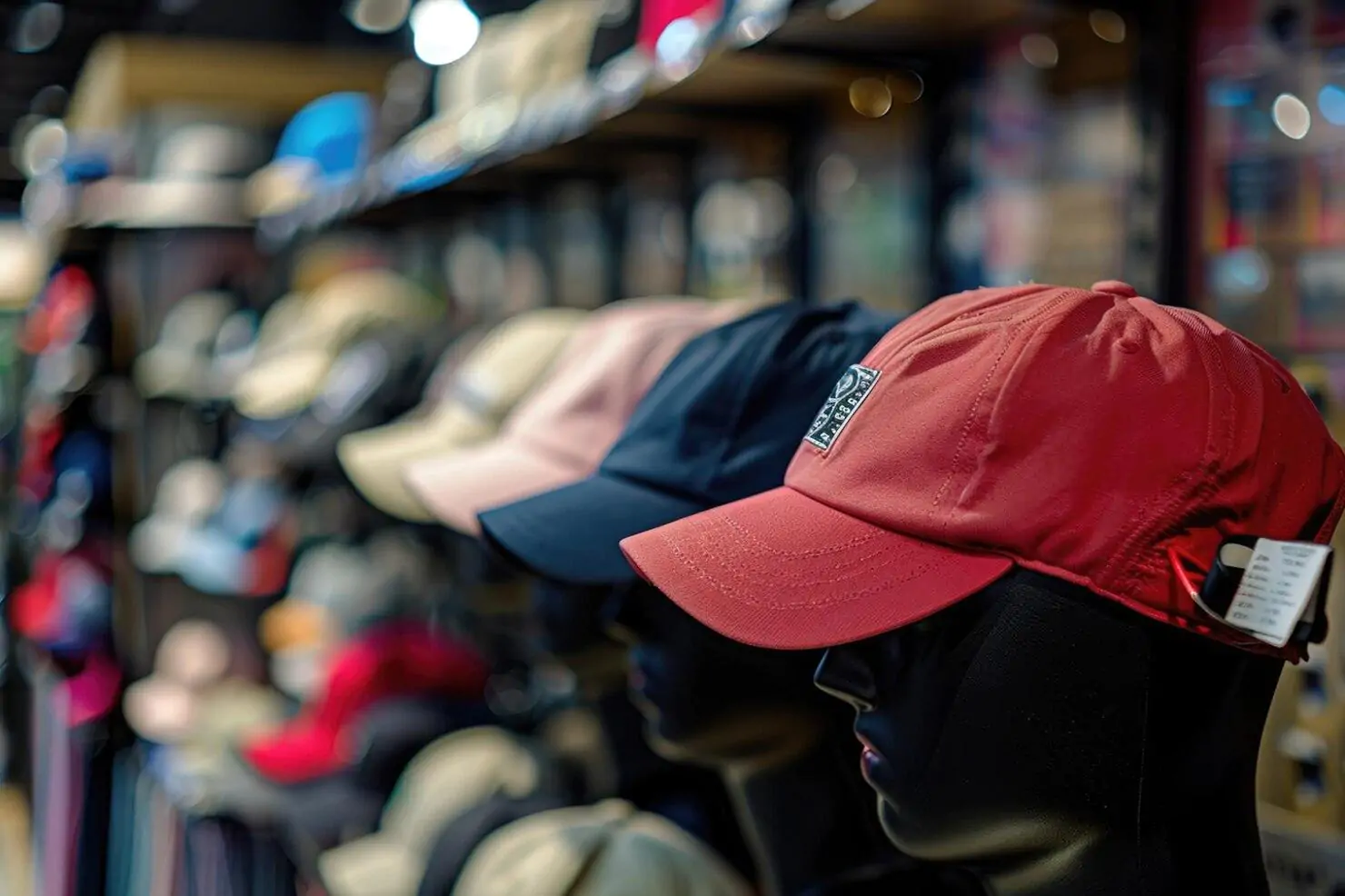
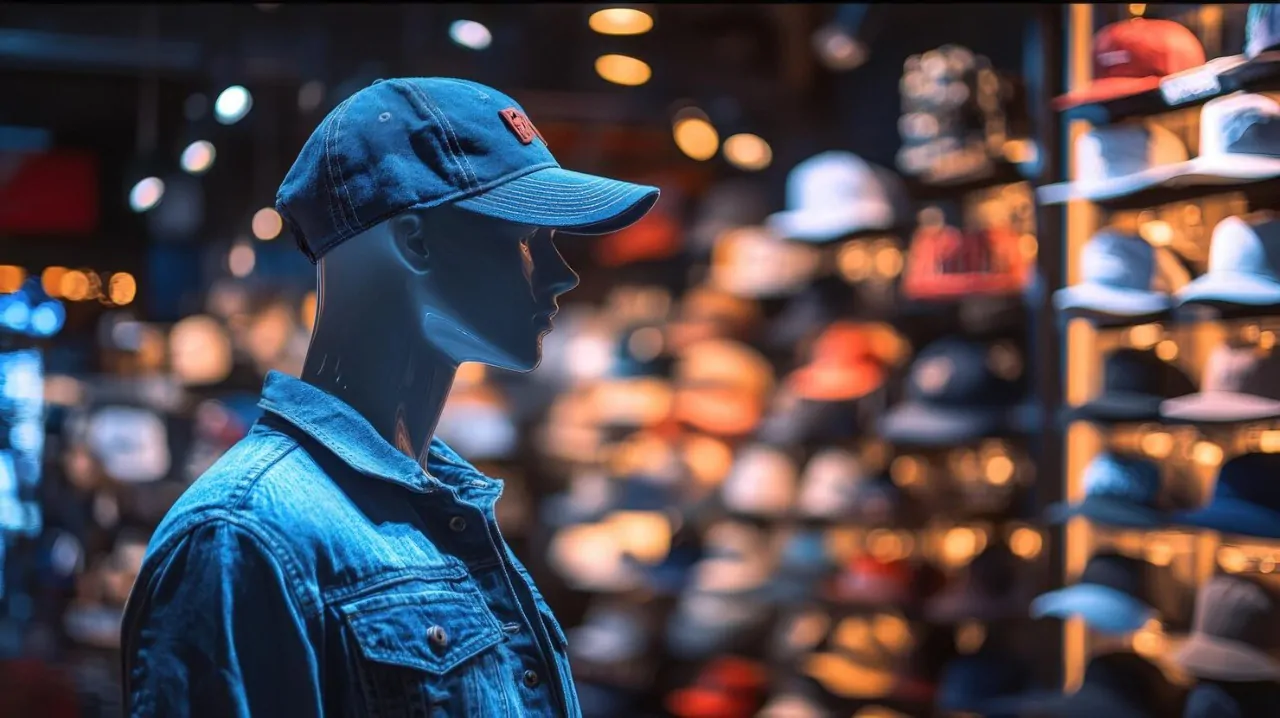
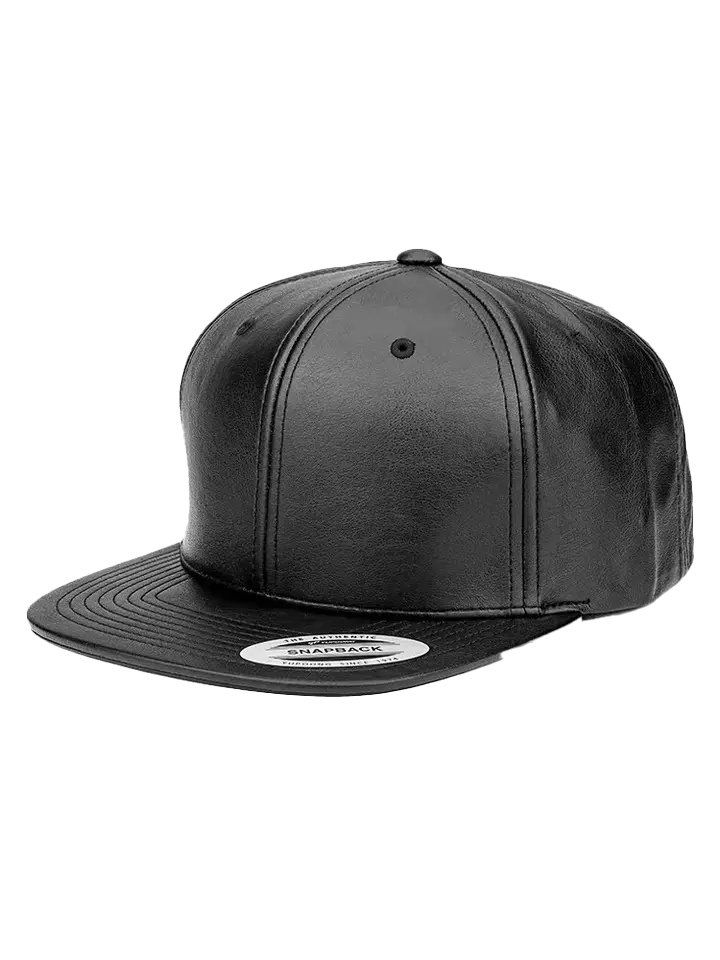
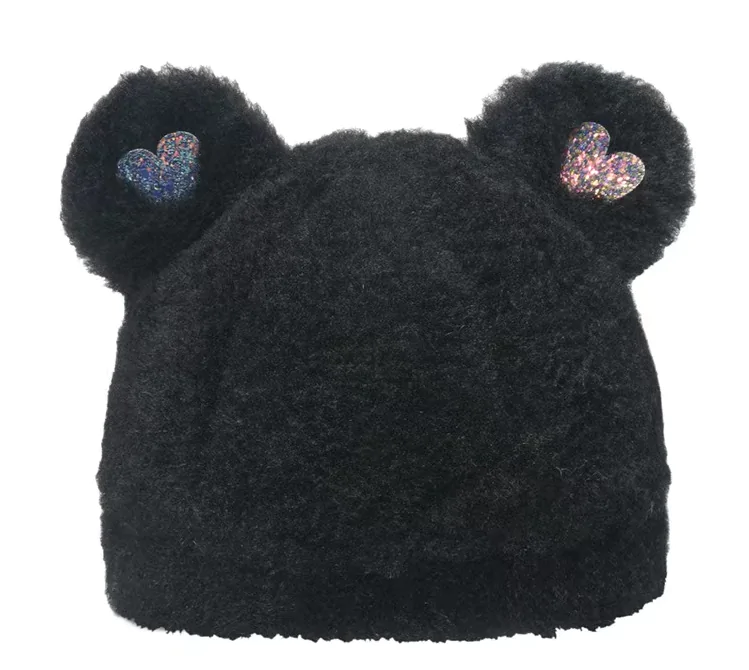
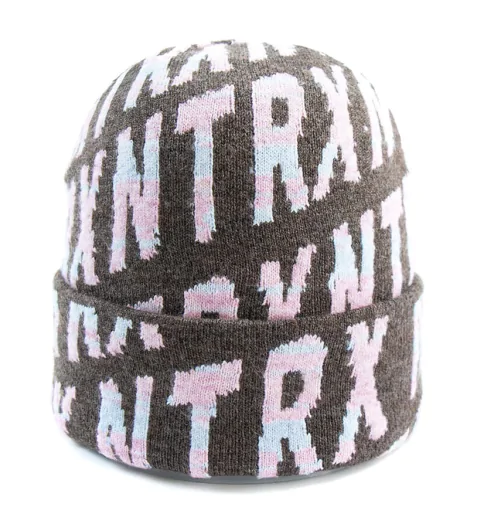
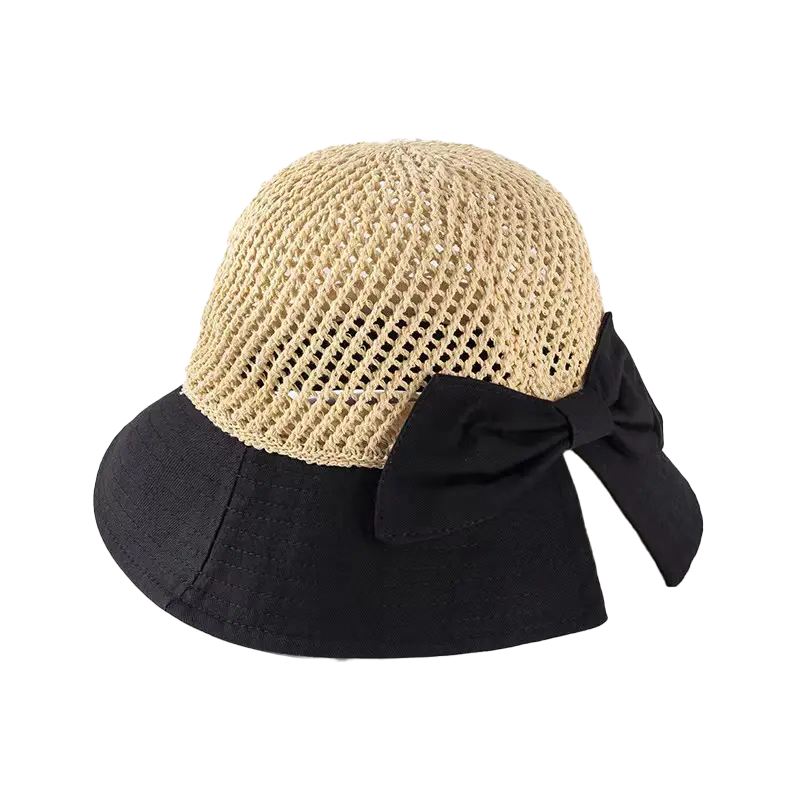
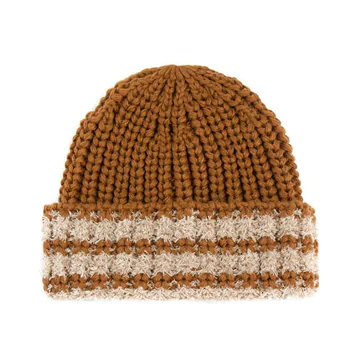
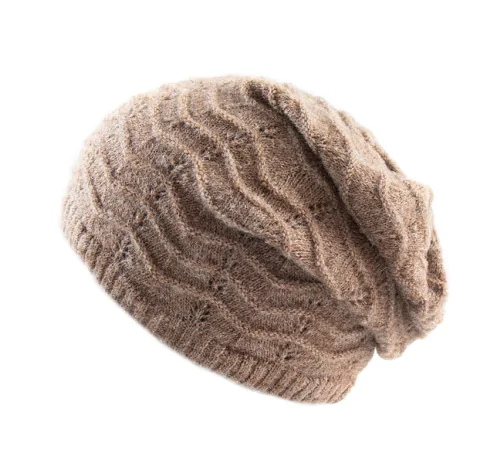
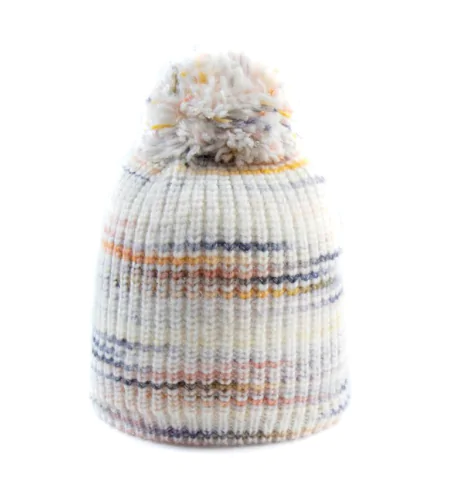
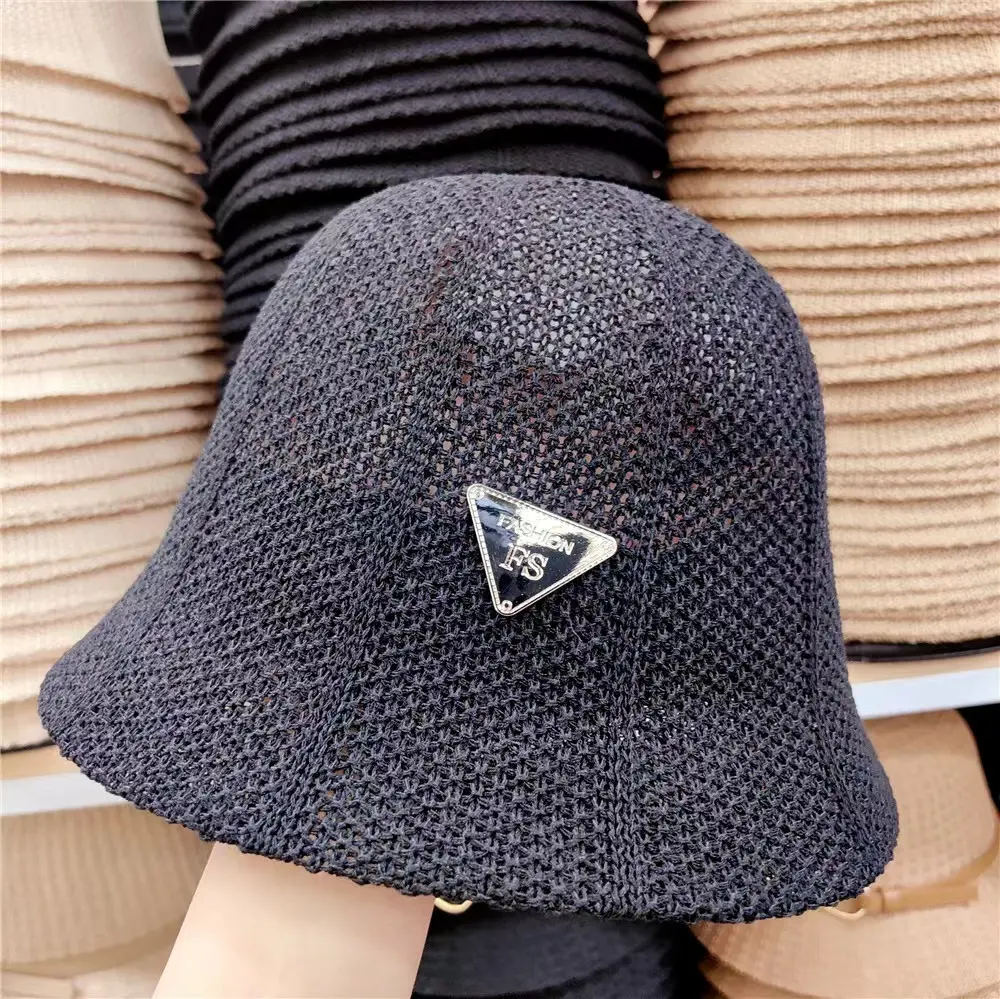
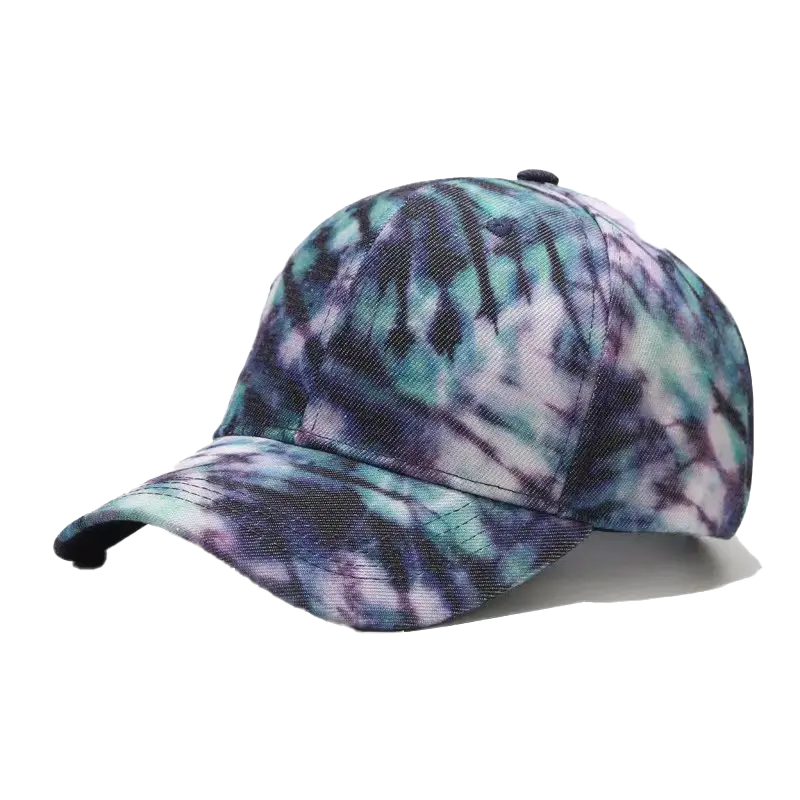
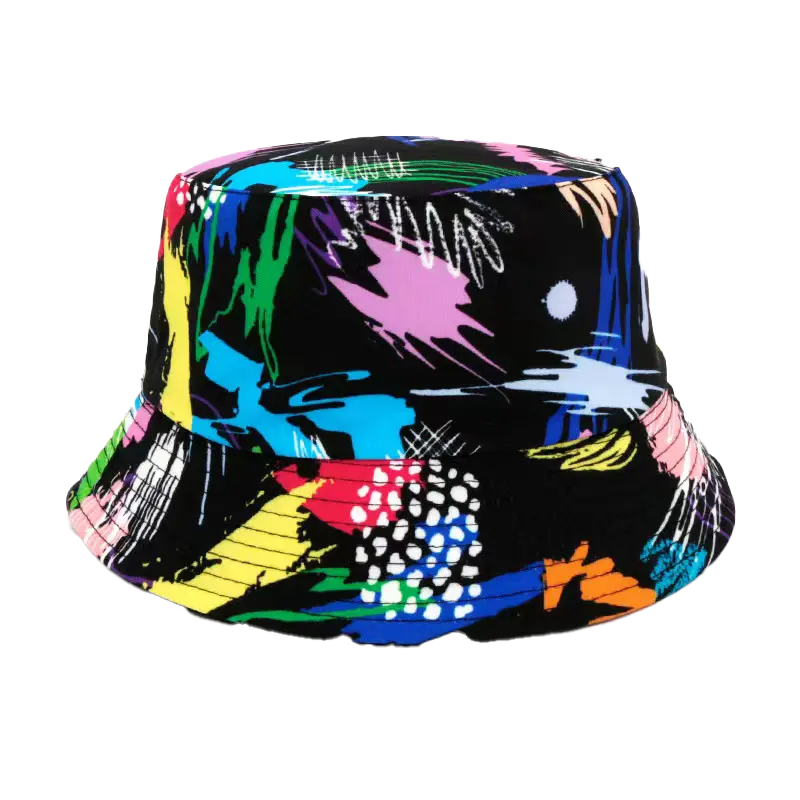
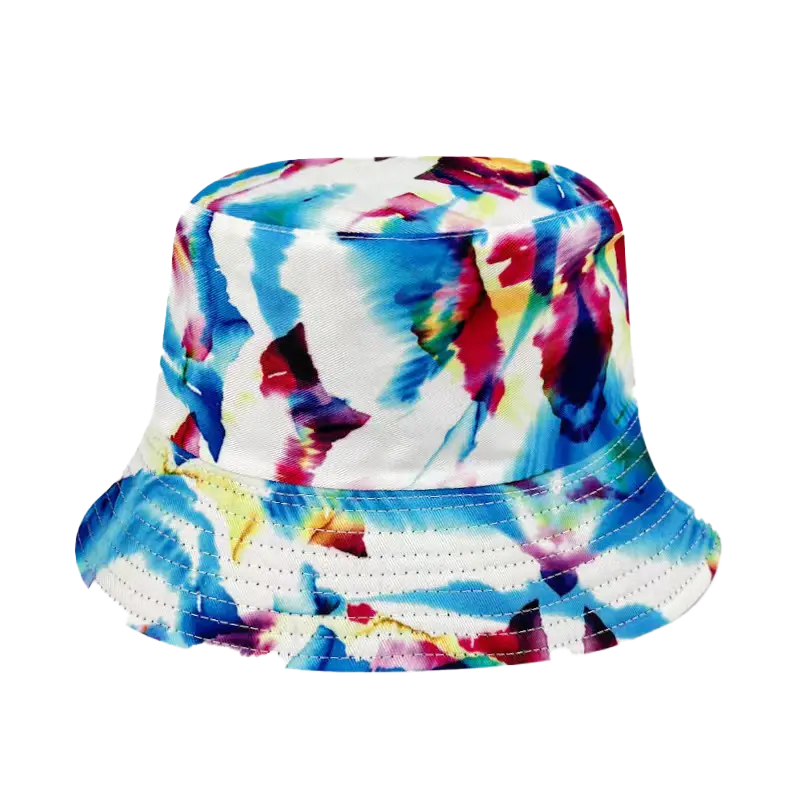
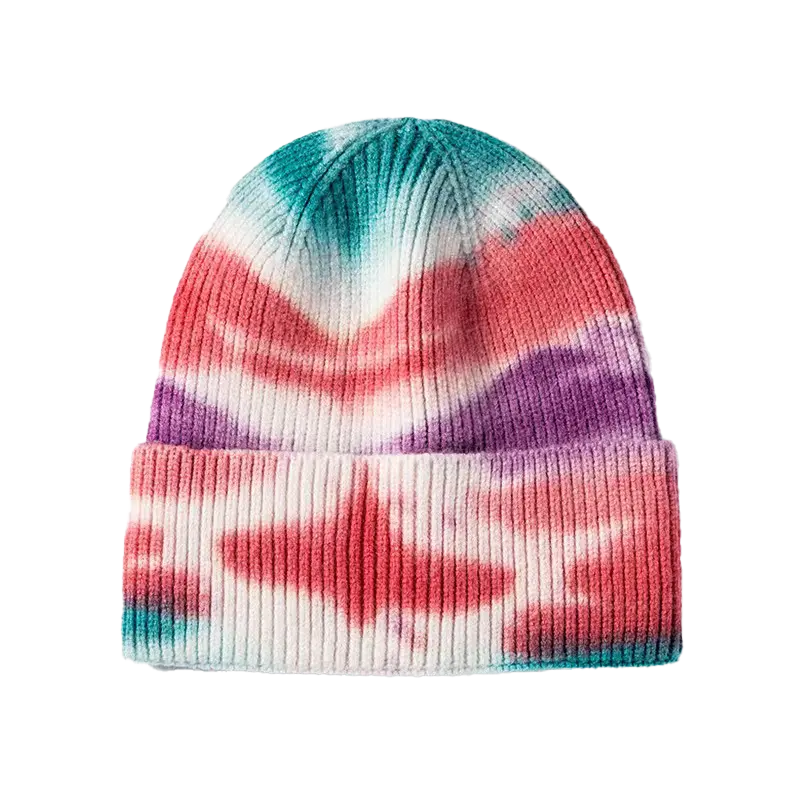
Baseball caps, bucket hats, beanies, and fashion headwear are now core expressions of lifestyle, identity, and positioning — whether that lifestyle is urban, outdoor, premium casual, or sustainable luxury.
Brands should be asking:
What role does headwear play in our brand universe?
Are we positioned around performance, fashion, sustainability, or everyday versatility?
Do our hats support our overall brand story?
Trending directions across Europe include:
Premium minimalism (clean shapes, muted colors, refined fabrics)
Functional fashion (UV protection, water-repellent, packable designs)
Sustainable headwear (organic cotton, recycled polyester, low-impact dyeing)
Quiet branding (tone-on-tone embroidery, subtle logos, craft-focused details)
Without a clear direction, collections feel generic. With it, headwear becomes a signature.
2. Secure Strategic Materials Early
Fabric is the soul of headwear.
The weight, texture, breathability, structure, and durability of a cap determine not only comfort — but perceived value.
In Europe, especially within premium and sustainability-driven brands, customers are increasingly sensitive to:
Material origin
Environmental impact
Comfort and performance
Key fabric trends for 2026 include:
Organic cotton twill and canvas
Recycled polyester and nylon
Linen blends for summer headwear
Technical performance fabrics for outdoor and travel
Because these fabrics are in high demand, brands should be securing them early, testing alternatives, and building material libraries well ahead of development.
This is not only a design advantage — it is a supply chain advantage.
3. Elevate Product Testing and Fit Standards
In headwear, fit is not negotiable.
A beautiful cap that doesn’t fit well will never be worn — and never reordered.
Premium brands are investing more in:
Fit testing across multiple head shapes
Wear and wash testing
Stability and comfort testing for daily use
This level of testing ensures that when a product reaches the customer, it feels effortless — and effortlessness is the true luxury.
4. Align with the Right Manufacturing Partners
In the European market, reliability is premium.
Lead time consistency, quality stability, compliance, and transparency are now as important as price.
Brands should already be:
Evaluating supplier capacity for 2026
Strengthening relationships with key manufacturing partners
Aligning development timelines and expectations
A strong factory relationship is no longer operational — it is strategic.
5. Build a Headwear Development System
The strongest brands don’t build collections. They build systems.
Systems that manage:
Design and development cycles
Sampling and iteration
Quality standards
Communication with partners
Timeline planning
With the right system, brands gain control — over cost, over quality, and over growth.
And control is what allows creativity to flourish.
Conclusion: Premium Brands Prepare Earlier
In 2026, success will belong to brands that move deliberately, not desperately.
Brands that invest early in direction, materials, testing, partnerships, and systems will enter the season with confidence — while others are still reacting.
In headwear, where quality is felt, not seen, preparation is the ultimate luxury.