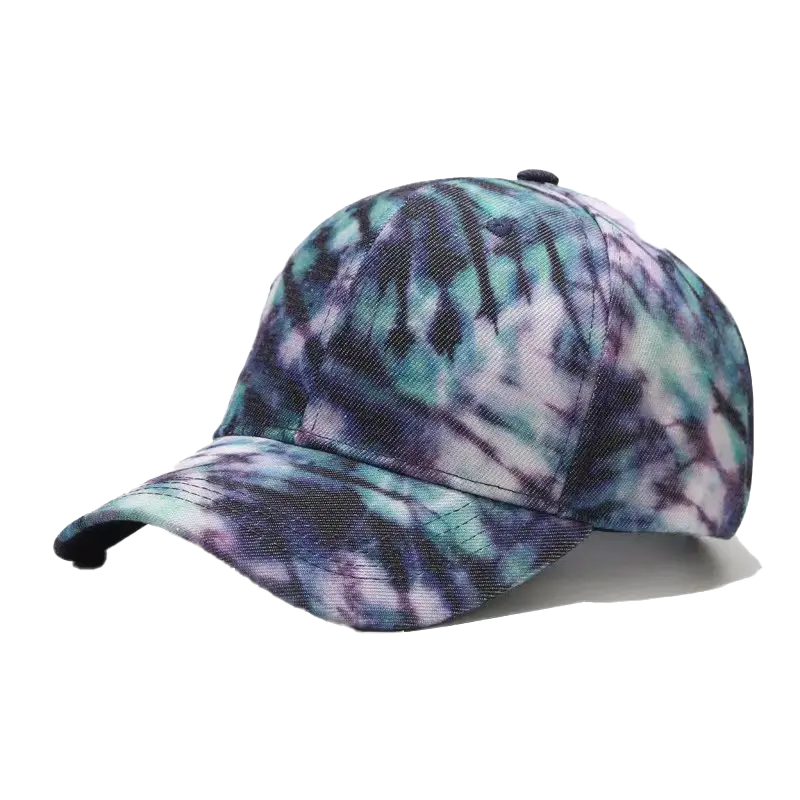
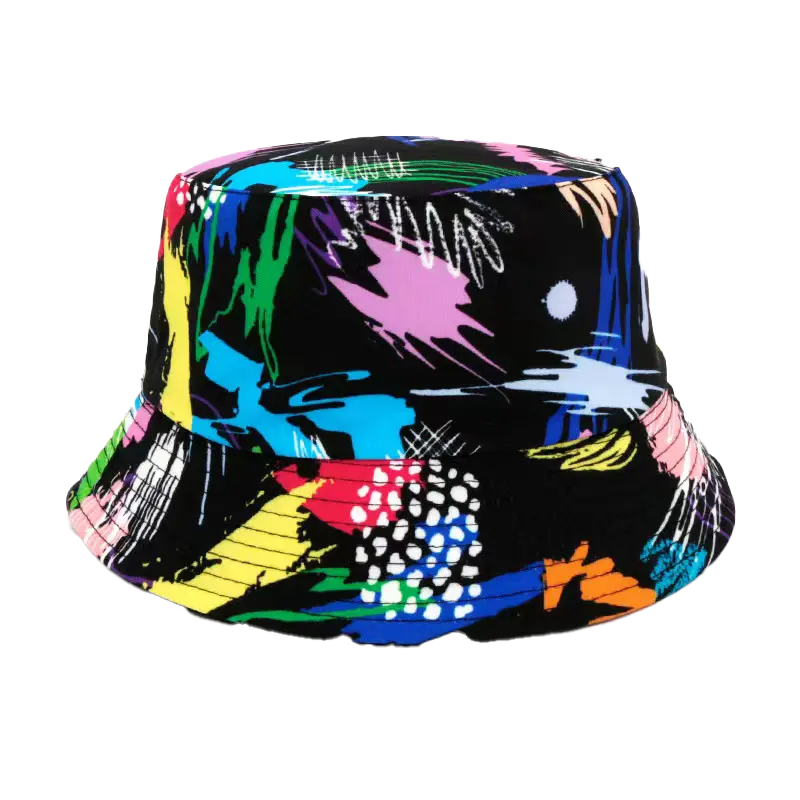
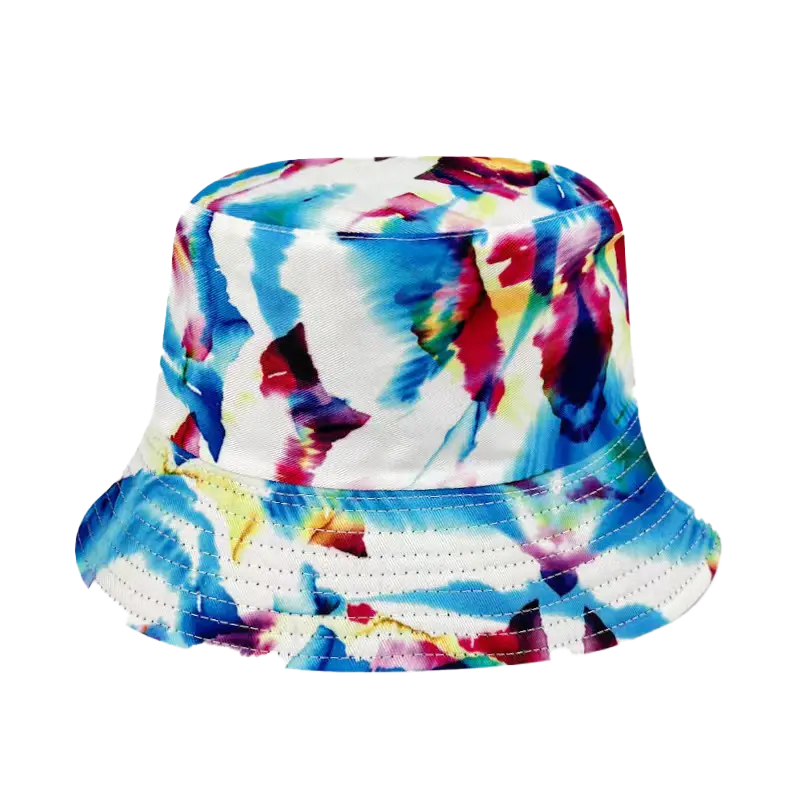
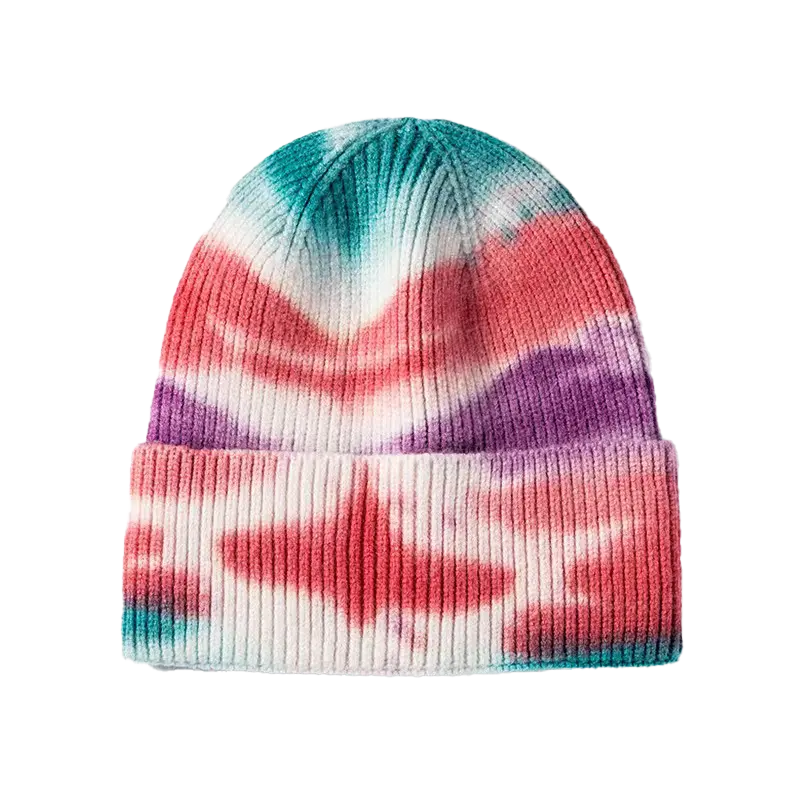
A data-driven headwear success story in product development, fit optimization, and retail performance
In the competitive world of fashion accessories, headwear manufacturing, and private label cap production, improving sell-through is one of the most critical — and most difficult — performance goals for brands and retailers.
This case study shows how a mid-sized European fashion brand improved sell-through by 20% in one season by optimizing its headwear sourcing strategy, cap design, fit consistency, fabric selection, and retail readiness — in close collaboration with our headwear development and manufacturing team.
Client Profile
Category: Fashion accessories & lifestyle apparel
Focus products: Baseball caps, bucket hats, and premium casual headwear
Market: Europe (retail + e-commerce)
Business model: Private label headwear, branded caps, and fashion accessories
Challenge: Low sell-through, high return rates, inconsistent reorders
The Challenge
Despite strong branding and marketing, the client faced:
Below-average sell-through on headwear
Inconsistent cap fit across styles
Customer feedback mentioning discomfort and sizing issues
High sampling iterations without clear direction
Retail partners requesting markdown support
The brand’s headwear supplier delivered acceptable quality — but not consistent retail performance.
In short: the caps looked good, but they didn’t always sell well.
Our Approach
We applied a structured headwear optimization and product development system focused on four areas:
1. Fit Optimization and Wear Testing
We standardized:
Crown depth
Panel structure
Head circumference tolerances
Comfort adjustments
We tested caps across multiple head shapes and use cases to ensure comfort, stability, and repeat wear.
2. Fabric and Material Upgrade
We replaced:
Rigid, heavy twill → with lighter premium cotton twill
Low-grade polyester → with recycled performance polyester
Rough interior tapes → with soft-touch sweatbands
Result: better comfort, better feel, higher perceived value.
3. Design and Visual Refinement
We simplified:
Overly complex embroidery
Loud branding
Heavy contrast stitching
We introduced:
Tone-on-tone logos
Neutral European color palettes
Cleaner silhouettes
4. Retail Readiness and Buyer Feedback Integration
We worked with:
Retail buyers
Visual merchandisers
E-commerce teams
We aligned product:
With price points
With store display needs
With customer expectations
The Results
After implementation:
Sell-through increased by 20%
Return rates dropped by 15%
Retail reorders increased
Customer reviews improved
Production efficiency improved
The brand shifted from seasonal stress to predictable growth.
Why It Worked
Because we didn’t just change the product — we changed the system.
We aligned:
Design
Fit
Fabric
Manufacturing
Retail strategy
into one integrated headwear development and sourcing process.
Conclusion: Sell-Through Is Not a Marketing Problem — It’s a Product System Problem
Brands often try to fix low sell-through with more marketing.
But when the product fits better, feels better, and performs better — it sells better.
This case proves that headwear manufacturing, cap development, and accessories sourcing done correctly can become a growth engine, not just a cost center.