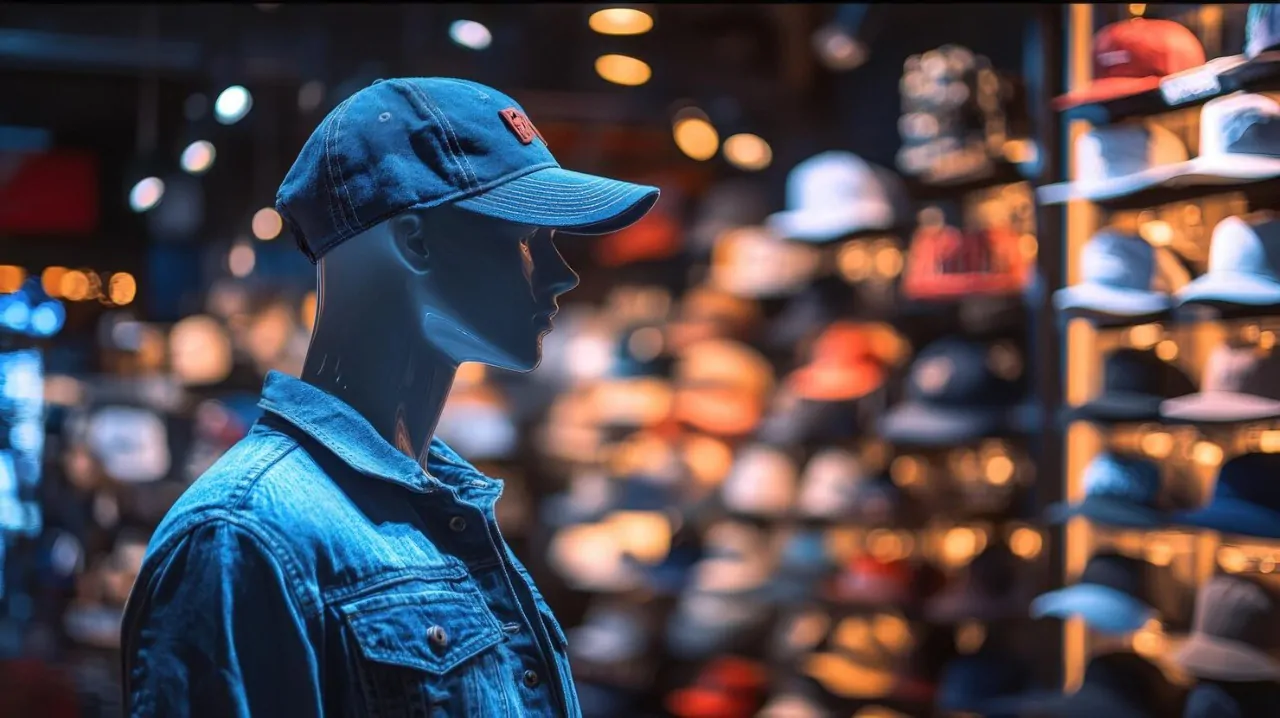
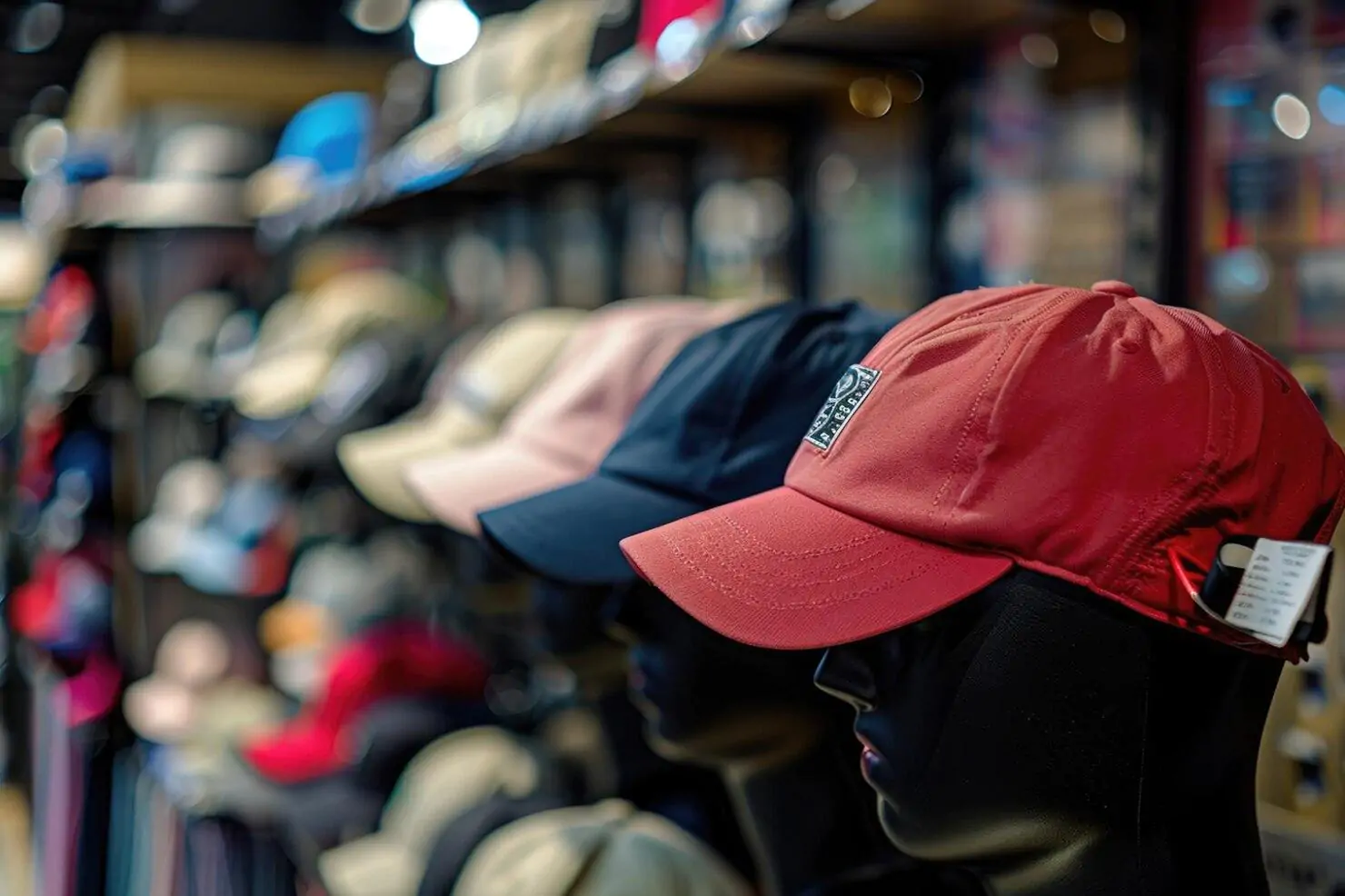
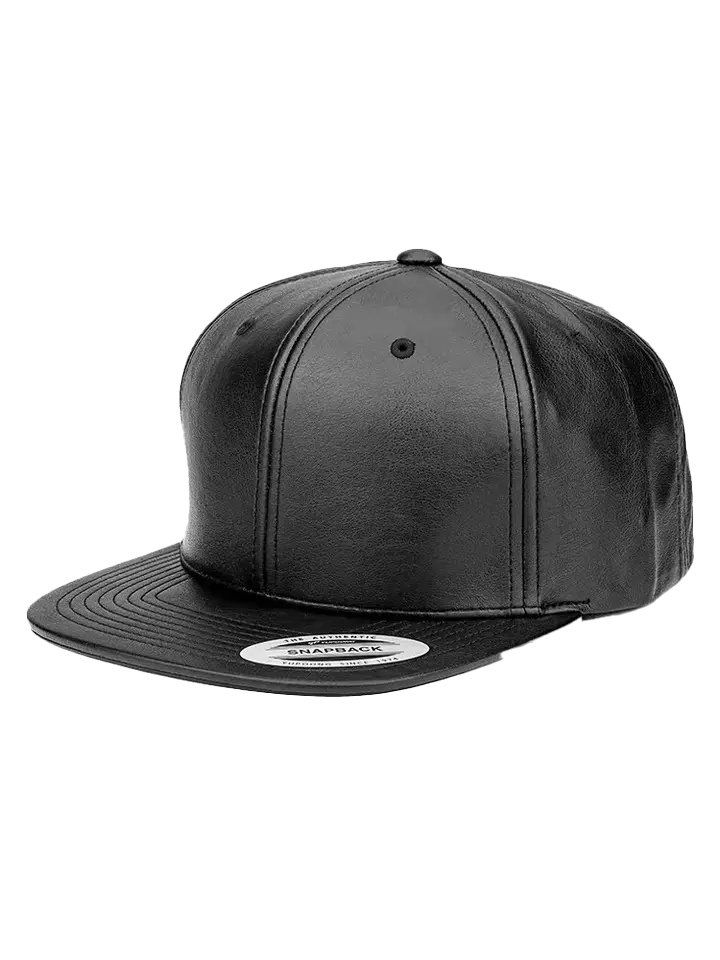
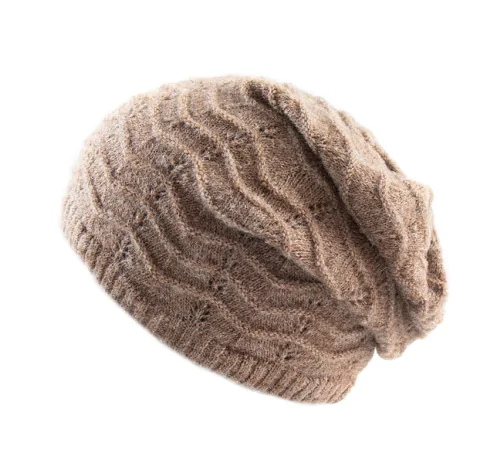
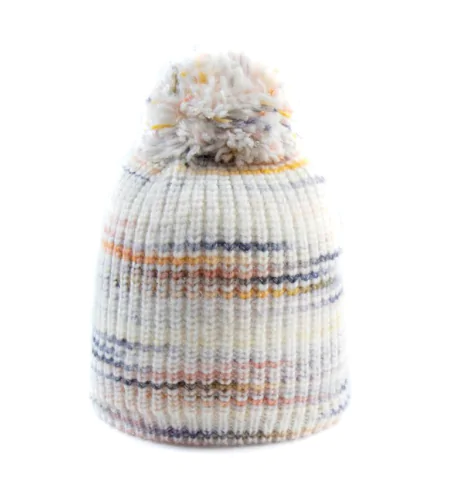
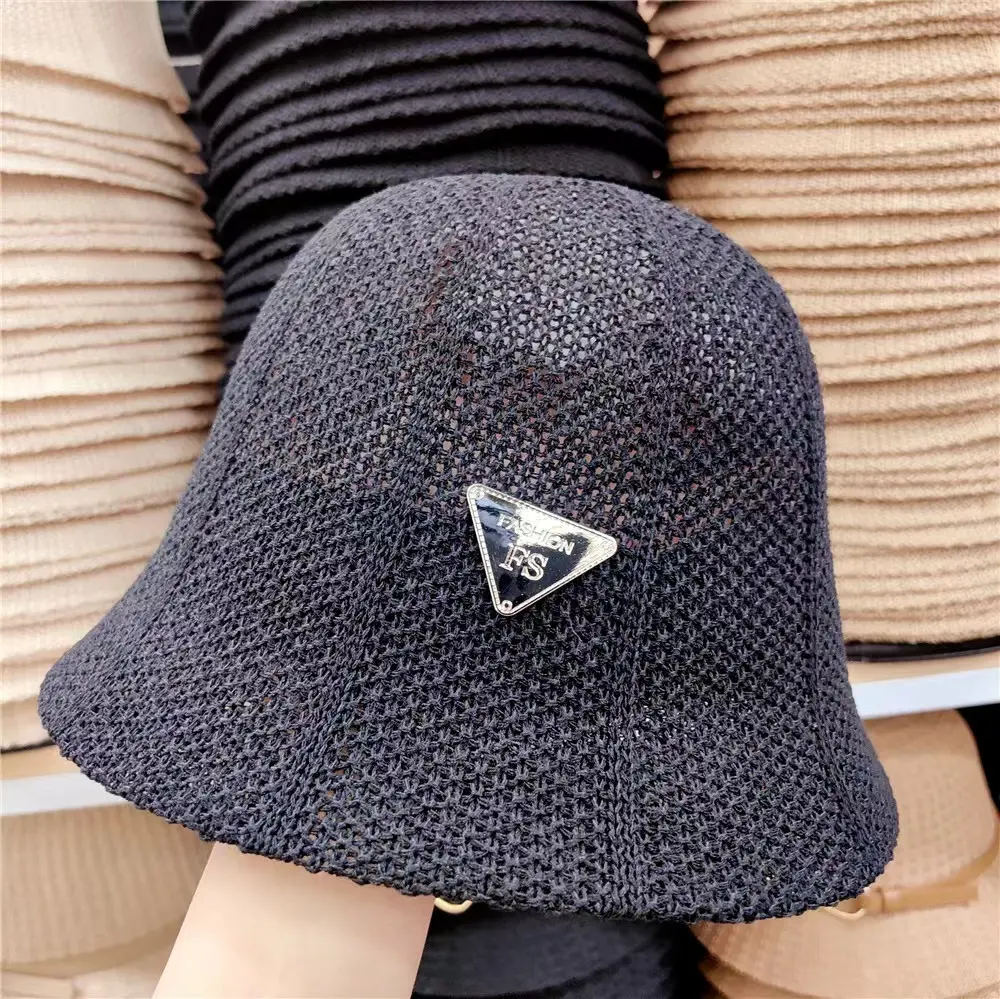
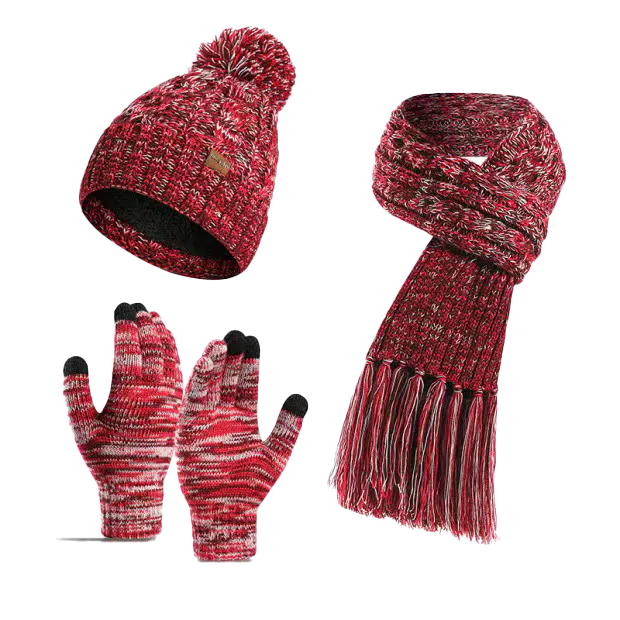
The global headwear and accessories space is growing modestly but steadily. Headwear is forecast to grow at mid-single-digit CAGRs through the 2020s, while the broader personal-accessories category remains large and resilient. The next wave of value will come from three converging forces: sustainability & circularity, technology & “smart” functionality, and hyper-personalized customer experiences (including resale and customization). Brands that coordinate product innovation, transparent supply chains, and new retail formats will outcompete those that rely only on price.
Market snapshot
Global headwear market estimates vary by source but point to healthy growth: one major research house put headwear at roughly USD 26.5B (2022) and projecting ~6.5% CAGR to 2030; others report the hats market at ~USD 10.5B in 2025 with similar mid-single-digit CAGR outlooks. These differences reflect scope (headwear + caps vs. narrower “hats” categories), but the takeaway is consistent: steady growth with opportunities for premiumization and innovation.
Broader personal accessories (jewelry, bags, hats, eyewear etc.) remains a huge category worth hundreds of billions—regional growth is concentrated in Asia Pacific, which is the primary growth engine for accessories value sales.
Resale and secondhand markets continue to expand (double-digit growth in many reports), making longevity and circular services increasingly strategic for apparel/accessory brands.
1. Sustainability shifts from marketing claim to product requirement
Consumers (esp. Gen Z and younger Millennials) expect transparent sourcing, recycled/biobased materials, and takeback or repair programs. Materials gaining attention for headwear include recycled polyester/nylon, regenerated cellulose (e.g., Lyocell blends), organic cotton, hemp, and bio-based polyesters. Durable construction and visible repairability will be competitive differentials.
Implication: Brands should treat sustainable materials and lifecycle services as central R&D projects (not an optional label). Integrate LCA-style decision-making into cap/hat lines and track embodied-carbon or water footprints for key SKUs.
2. Tech amp; “smart” integration arrives (first in eyewear, soon in headwear)
Smart eyewear and wearable AR/AI demonstrations in 2025 (for example new AR smart glasses launches) show that consumers are increasingly open to functional tech embedded in everyday accessories. This momentum spills into hats and caps (integrated audio, sensors, biometrics, solar-assisted charging, low-profile heads-up displays for sports/work).
Implication: Expect new categories like “connected caps” for outdoor workers, athletes, and fans. Brands should consider modular designs (pockets for electronics modules), partnerships with electronics OEMs, and certifications for safety and privacy.
3. Personalization, limited drops, and micro-niches
Consumers want unique, identity-driven accessories. Limited collaborations, artist drops, made-to-order embroidery or 3D-printed trim let brands command margin while minimizing long inventory tails.
Implication: Invest in DTC personalization flows (online builders, on-demand embroidery), micro-collections for influencer collaborations, and small-batch premium runs rather than only volume commodity SKUs.
4. The secondhand + circular economy becomes table stakes
Resale growth and consumer focus on longevity mean hats that are easy to resell, refurbish, or upgrade will keep value. Brands that offer refurb/repair or certified resale channels capture residual brand equity and new revenue streams.
Implication: Build programs for refurbishment, authenticated resale, and trade-ins; design with disassembly in mind (labels that survive washing, standardized hardware).
5. Regional shifts amp; channel dynamics
Asia Pacific leads growth; Western markets emphasize premium and niche trends (streetwear, sustainability). Omnichannel remains important: physical touchpoints for fit and luxury experiences + seamless e-commerce for convenience. McKinsey notes the fashion industry’s uneven growth and the importance of non-luxury to recent profitability — headwear brands must balance value and premium lines.
Implication: Adopt region-specific assortments, pricing and marketing. Expand B2B partnerships (sports teams, corporate uniforming) in developing markets while piloting premium direct-to-consumer experiences in mature markets.
Strategic recommendations — concrete actions for businesses
Material roadmap (12–24 months): Audit your top 10 SKUs for material footprint, switch one major SKU per season to recycled or organic alternatives, and document environmental claims with evidence (supplier certificates, testing).
Design for modularity: Create at least one hat family with modular panels that can accept tech modules (battery, speakers) and one family designed for repair/replacement of trims (visors, bands).
Personalization engine: Launch an online customizer (embroider, patch placement, colorways) with an on-demand small-batch production flow to reduce deadstock.
Limited-collab roadmap: Schedule 4–6 artist or micro-influencer drops annually to sustain hype and maintain scarcity pricing.
Resale & repair program: Pilot a trade-in or repair program in one major market; advertise resale value as a brand benefit.
For manufacturers amp; supply-chain leaders
Supplier diversification + transparency: Publish tier-1 supplier list and traceability for premium lines; audit chemical and water use for woven straw, felts and dyed fabrics.
Flexible, digital manufacturing: Invest in shorter lead-time production (digital patterning, CNC felting/laser cutting) to support personalization and small runs.
Sustainable inputs sourcing: Lock long-term contracts with recycled-fiber mills and explore bio-based polymer trials for trims and linings.
Quality benchmarks: Raise quality control metrics to reduce return rates — better fit and durability are essential for resale-friendly products.
For retailers amp; omnichannel operators
Experience-first retail: Offer in-store personalization (patch bar, embroidery), repair clinics, and “try & see” kiosks for smart-cap demos.
Data-driven assortments: Use regional sales and social listening to rotate SKUs faster in trend-sensitive cohorts; avoid global one-size assortments.
Service packaging: Sell lifetime repair plans or refurbishment credits bundled with premium hats.
For tech partnerships / new entrants
Start with low-hangings: Prototype add-on modules (snap-in speakers, biometric sweat sensors) before embedding complex AR displays into soft goods.
Privacy-by-design: For any sensor-enabled hat, build clear user consent, on-device data storage where possible, and simple UX for disabling sensors.
Cross-industry pilots: Target B2B use cases first (construction, logistics, cycling) where value from sensors/communications is immediate and revenue more predictable.
Risks amp; mitigation
Greenwashing exposure: Mitigate with third-party verification and clear, traceable claims.
Tech complexity & returns: Start with detachable modules and conservative warranties to avoid high RMA rates.
Channel mismatch: Avoid flooding mass-market channels with high-cost sustainable lines; place premium SKUs where their value is perceived and resale can be captured.
Closing perspective
Headwear and accessories are no longer just decorative add-ons — they’re platforms. The next generation of winners will be those that treat hats as multifunctional products: crafted from verified sustainable inputs, built for a circular life, optionally enabled with low-profile technology, and sold through experiences that reinforce brand value. Execution requires coordination across design, sourcing, tech partnerships, and retail — but the business upside (margin expansion, brand loyalty, new revenue from services/resale) is concrete and achievable.